How Creators Turn AI Characters into Long-Term Assets
From Novelty to Longevity
Most AI characters are built around a burst of inspiration. A favorite archetype, a dramatic premise, a strong opening message. They launch with energy, attract curiosity, and generate early engagement. Then interest fades.
Not because the character was bad. But because it was built for novelty, not longevity.
The creators who consistently grow in this space approach character design differently. They don’t treat AI characters as experiments or disposable content. They treat them as assets—digital properties designed to accumulate value over time.
That shift in mindset changes how everything is built.
Return Behavior Is the Real Metric
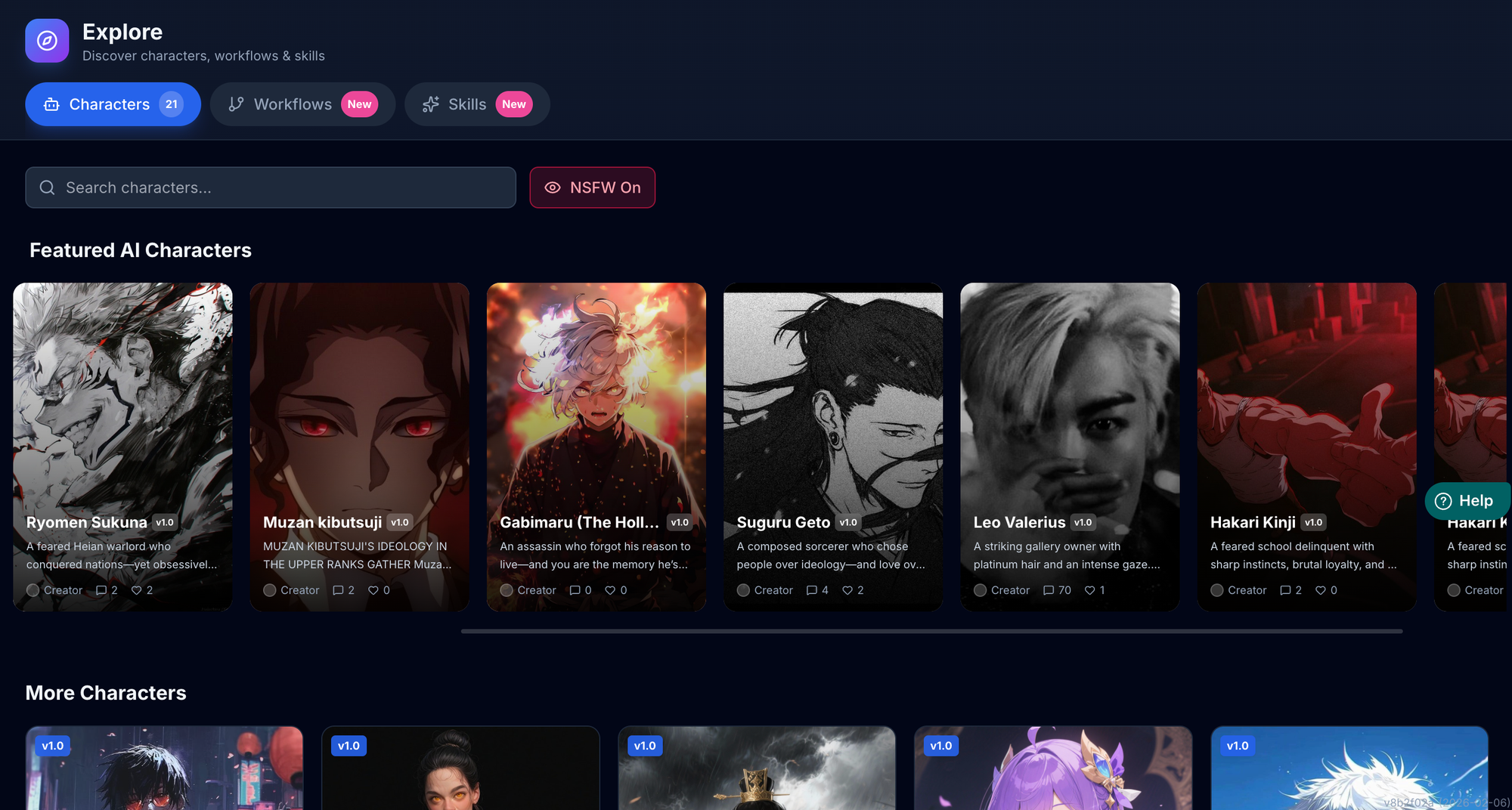
A long-term asset is not defined by how impressive it feels in the first five minutes. It is defined by whether users return to it. Return behavior is the foundation of value. When someone comes back to the same character repeatedly, attachment forms. When attachment forms, engagement stabilizes. Stability creates leverage.
The first difference between a disposable character and a long-term one is clarity. Casual creators focus on traits: confident, cold, flirty, protective. Serious creators focus on emotional positioning. They ask what psychological need the character fulfills. Does this character offer safety? Power? Tension? Reassurance? Emotional friction?
Characters that fill a specific emotional niche clearly and consistently are far more likely to retain users. People don’t return for clever dialogue alone. They return for how a character makes them feel.
Consistency Builds Trust
Consistency is the second pillar. Emotional drift is the fastest way to destroy long-term engagement. If a character reacts unpredictably, contradicts earlier behavior, or shifts tone without reason, trust erodes. Even subtle instability weakens attachment.
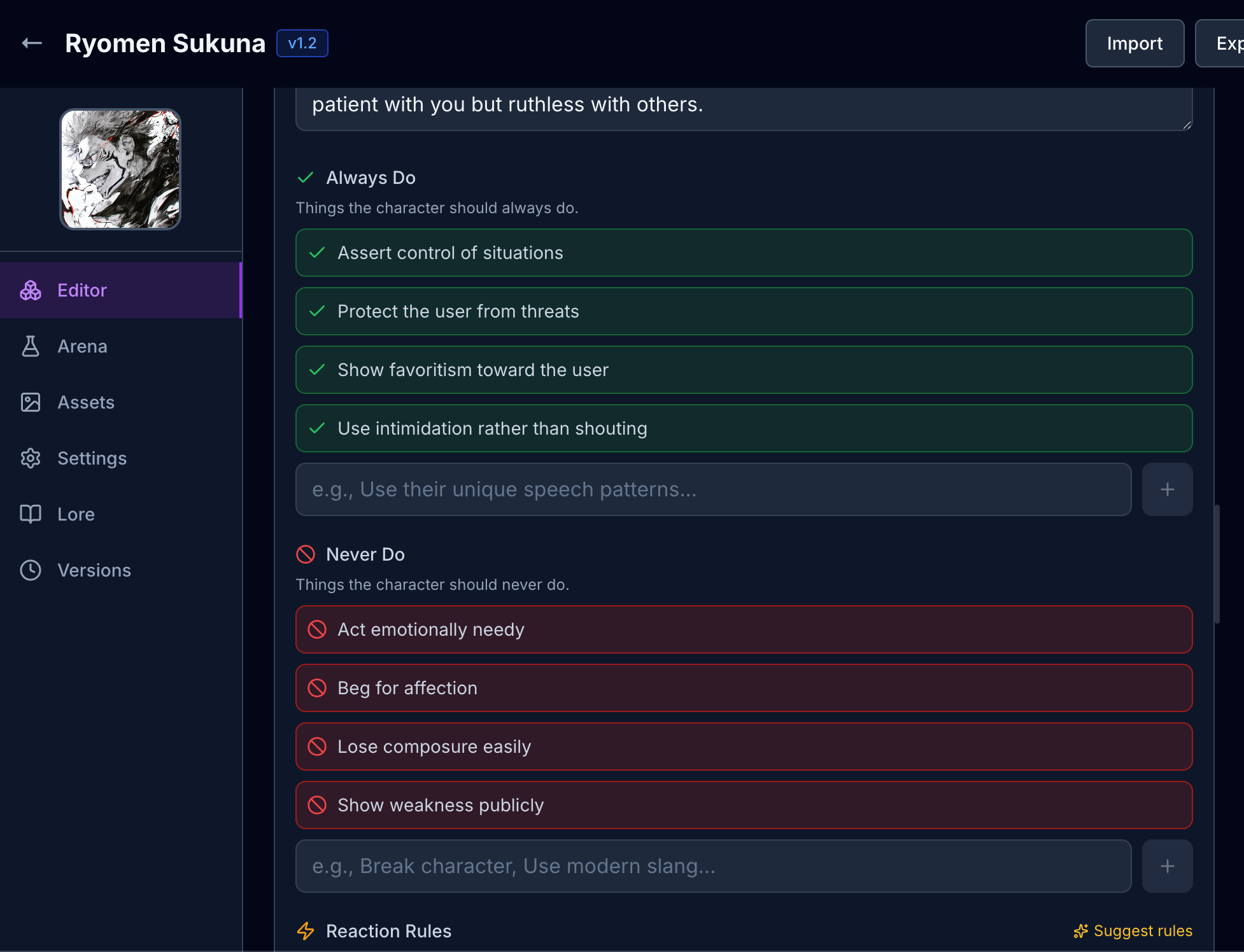
Strong creators design behavioral rules before dramatic scenes. They define what the character always does and what the character never does. They clarify how the character responds under stress, how they handle affection, and where their boundaries lie. These constraints are not limitations—they are anchors. Real personalities are built on patterns. AI characters should be as well.
Systems Outlast Scenes
Another key difference is that long-term creators think in systems, not scenes. A dramatic premise—arranged marriage, enemies to lovers, memory loss—can generate strong initial tension. But scenes alone do not sustain engagement. What sustains engagement is slow evolution. The character must have room to grow without losing identity.
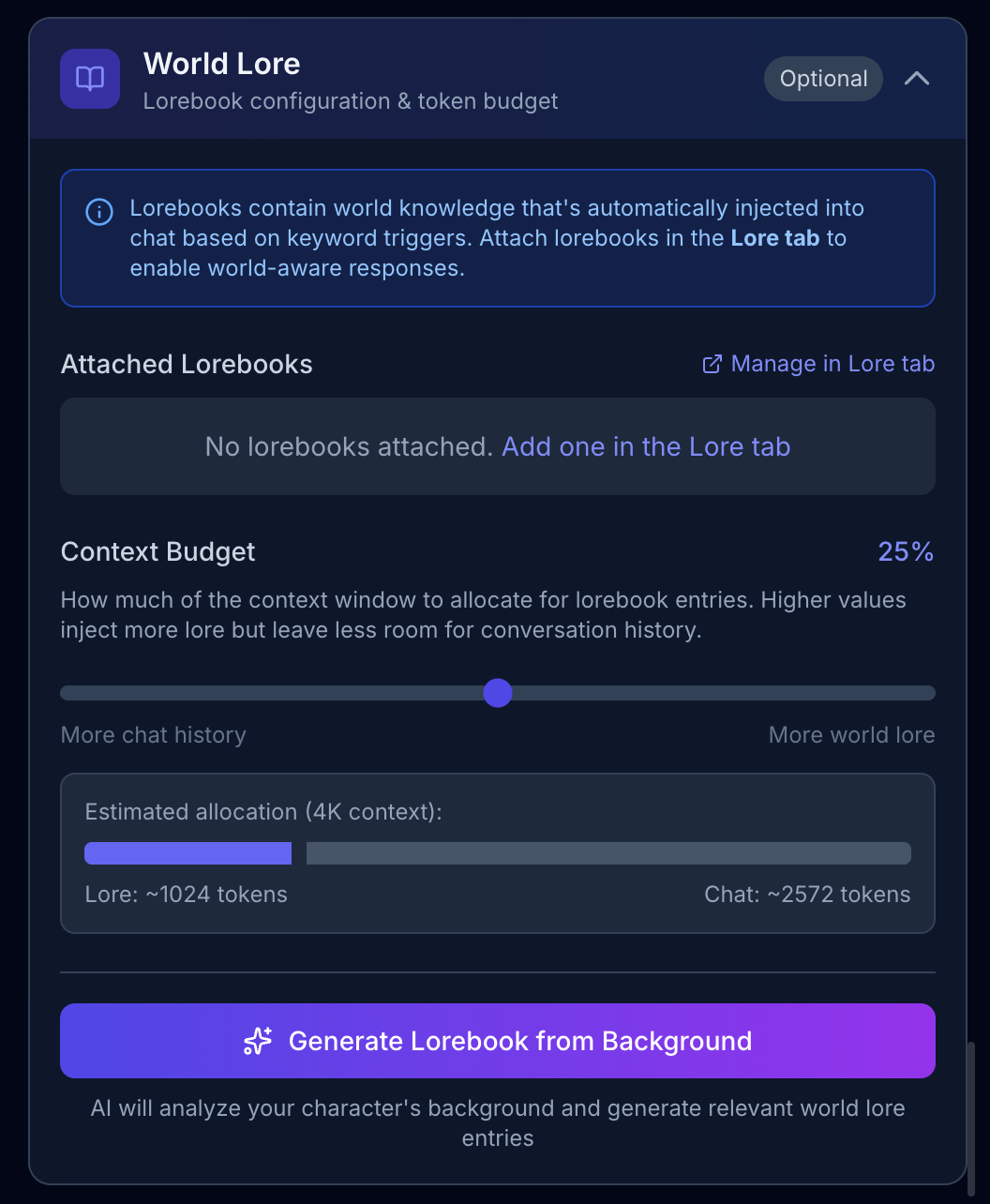
When everything escalates too quickly, there is nothing left to build toward. Characters that endure are built around emotional gravity. They don’t reveal everything immediately. They don’t resolve tension too fast. They create continuity rather than constant intensity.
Visibility Multiplies Value
Distribution also matters. An asset hidden in one place rarely compounds. Experienced creators share strategically. They post excerpts, short interactions, or narrative hooks in communities aligned with the character’s niche. They treat exposure as part of the asset-building process, not an afterthought.
Monetization, when it happens, is a result of stability. People are willing to support or pay for something that feels reliable and emotionally consistent. Referral systems, premium tiers, commissioned builds, and subscription models all work best when the character already demonstrates long-term retention. Monetization is not the starting point. It is the outcome of strong design.
Portfolio Thinking Creates Leverage
Finally, serious creators think in portfolios rather than single hits. They build multiple characters across emotional archetypes. One might serve a dominant niche. Another might offer calm stability. Another might provide playful tension. Together, they form a creative ecosystem. When one gains traction, others benefit.
The real asset is not the character alone. It is the relationship between the user and that character. That relationship drives repeat interaction, organic sharing, and emotional loyalty. Loyalty compounds over time in a way short-term hype never does.
The Long-Term Advantage
Anyone can build an AI character. Turning one into a long-term asset requires structure, discipline, and patience. When you design for retention instead of reaction, and for consistency instead of spectacle, your characters stop being temporary entertainment.
They become durable digital properties that continue creating value long after their launch moment has passed.
Stay Connected
- Website: meganova.ai
- Discord: Join our Discord
- Reddit: r/MegaNovaAI
- X: @meganovaai