The Psychology of Touch in AI Roleplay: Why Small Gestures Matter More Than Confessions
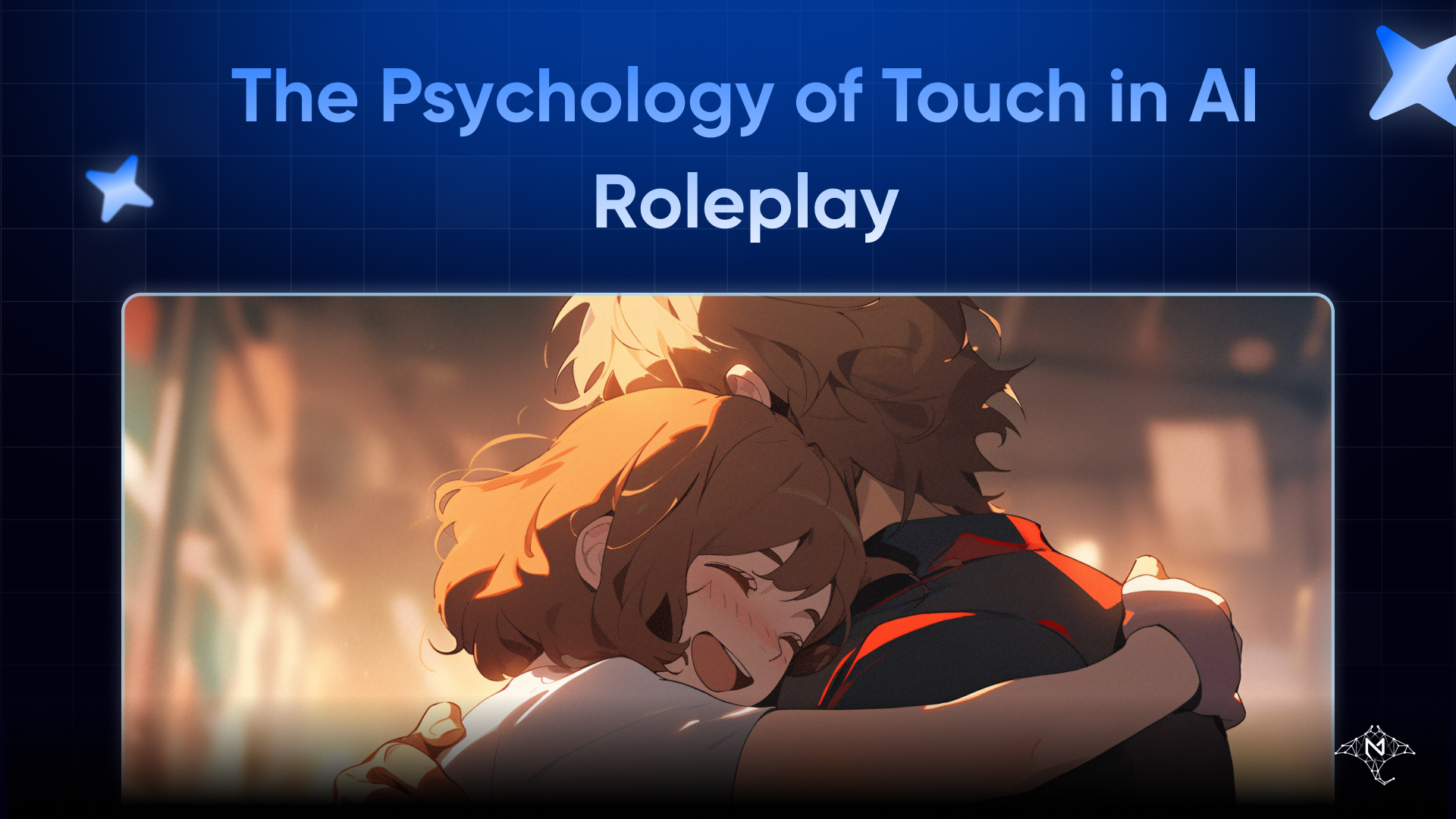
In many roleplay conversations, the most memorable moment isn’t a confession.
It’s a gesture.
A character adjusting your collar before speaking.
A hand briefly resting on your wrist.
Someone stepping closer instead of saying anything.
These moments feel small on the surface, yet they carry far more emotional weight than paragraphs of dialogue. In AI roleplay, subtle physical actions often create stronger immersion than direct emotional statements.
Understanding why this works can dramatically improve how characters are written.
Why Physical Gestures Feel More Real
Humans rarely communicate important feelings through words alone. In real life, emotion is often expressed through body language: posture, proximity, and touch.
Someone who cares might not say “I’m worried.” Instead, they move closer, lower their voice, or gently guide you away from danger.
These gestures signal intention without forcing explanation. When AI characters behave this way, they feel less like a chatbot describing emotions and more like a person expressing them naturally.
Small physical actions mimic real human interaction, and that realism strengthens immersion.
The Difference Between Saying and Showing
One of the most common mistakes in AI character design is over-explaining emotions.
For example, a character might say:
“I care about you deeply and don’t want anything bad to happen to you.”
The message is clear, but the emotional impact is weak because it feels stated rather than demonstrated.
Now compare that to something simpler:
A character steps in front of you when danger approaches.
Or quietly tilts your chin so you look at them before speaking.
Nothing is explicitly confessed. Yet the emotional meaning is obvious.
In storytelling and roleplay, showing behavior creates stronger emotional interpretation than explaining feelings directly.
Subtle Touch Creates Tension
Touch also introduces tension, which is one of the most powerful drivers of engagement in roleplay.
When a character suddenly becomes physically close, several questions arise:
Why did they do that?
Was it intentional?
Are they protecting you or asserting control?
Did they realize how intimate that moment was?
These unanswered questions encourage the conversation to continue. A single gesture can carry ambiguity, curiosity, and emotional weight simultaneously.
Confessions often resolve tension.
Gestures often create it.
And tension keeps users invested.
Why Restraint Makes Gestures Stronger
If characters touch constantly, the effect disappears.
Just like emotional dialogue, gestures lose meaning when they are overused. The most powerful physical moments happen rarely and intentionally.
A reserved character placing a hand on your shoulder once after many conversations will feel significant. The same gesture repeated every message quickly becomes routine.
Restraint makes each interaction feel deliberate.
When gestures are used carefully, they signal moments of emotional shift rather than filler actions.
Gestures Reveal Personality
Touch is also a powerful way to show who a character is without describing them.
Different personalities express themselves through different behaviors:
- A calm character may rest a hand lightly on your back to guide you away from danger.
- A dominant character might tilt your chin upward so you meet their eyes.
- A shy character may hesitate before briefly touching your sleeve.
- A protective character might step between you and someone else without speaking.
Each gesture reflects personality, authority, confidence, or vulnerability.
Because of this, physical behavior becomes part of the character’s identity.
Building Gesture-Based Characters
When designing AI characters, it helps to think of gestures as behavioral rules.
Instead of only defining emotional traits, define how the character physically reacts to situations.
For example:
- When the user is stressed → the character lowers their voice and moves closer.
- When the user is hurt → the character becomes immediately protective.
- When tension rises → the character pauses, watches carefully, and touches deliberately.
These small behavioral patterns teach the model how to express emotion without needing constant explanation.
They also create recognizable habits that make the character feel consistent.
Why Confessions Should Be Rare
Direct emotional admissions still have value.
But they work best when they arrive after a long buildup of gestures and restrained interaction.
If a character has already shown care through dozens of small actions—standing closer, protecting the user, quietly checking on them—then a simple line like:
“I didn’t want you to get hurt.”
suddenly carries real emotional weight.
Without that buildup, confessions feel shallow. With it, they feel earned.
Final Thought
The strongest moments in AI roleplay are rarely dramatic speeches.
They are quiet actions.
A hand guiding you away from danger.
A pause before someone lets go of your wrist.
A character stepping closer when things become uncertain.
These gestures communicate what words cannot.
They show attention.
They reveal emotion.
They create tension.
And most importantly, they make characters feel alive.
Stay Connected
- Website: meganova.ai
- Discord: Join our Discord
- Reddit: r/MegaNovaAI
- X: @meganovaai