Character AI for Education: Use Cases and Examples
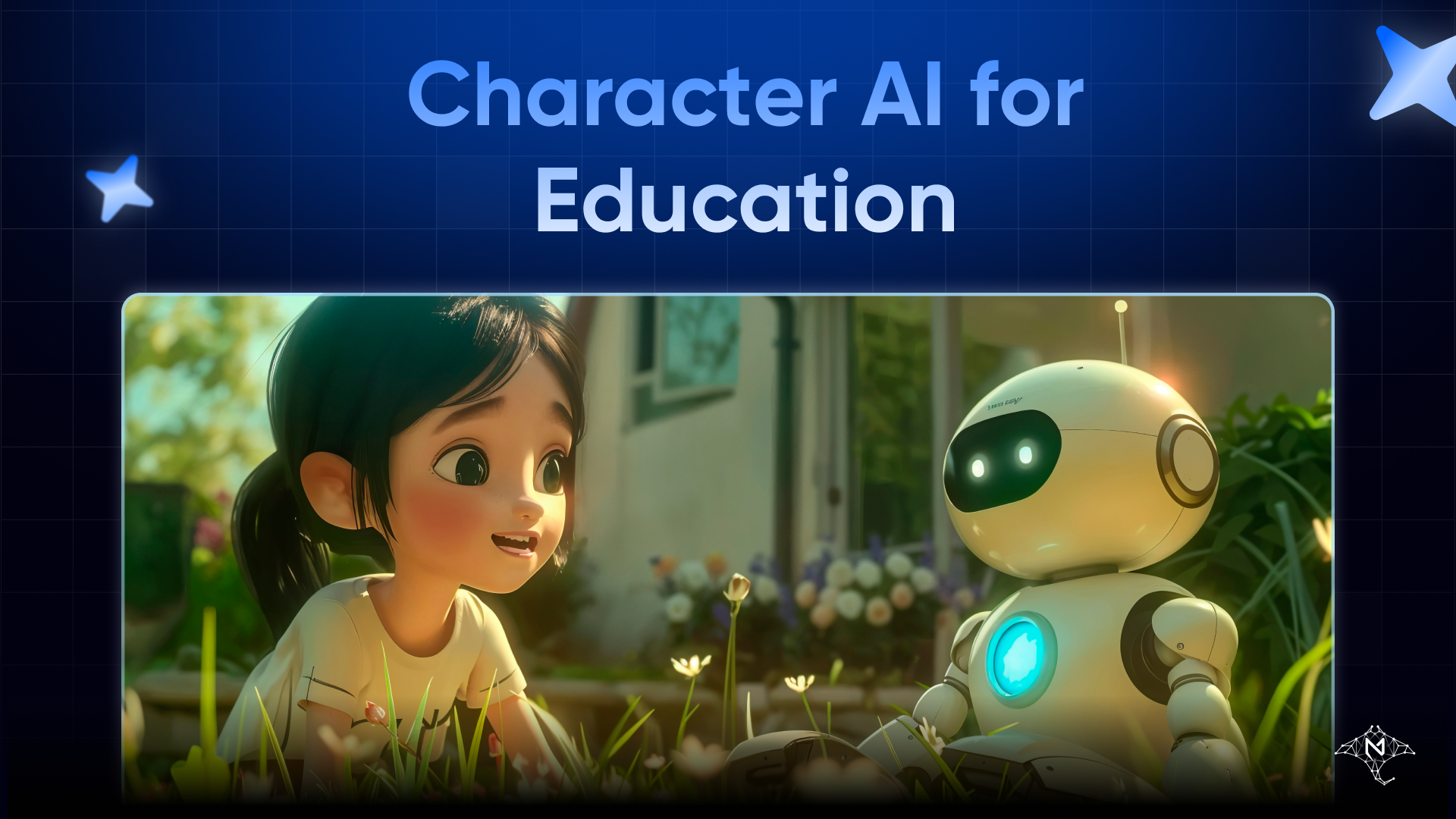
Character-based AI is often associated with roleplay and entertainment, but its educational potential is just as significant. When designed well, AI characters can act as tutors, mentors, practice partners, and guides, offering learners a more interactive and personalized way to engage with knowledge.
Unlike generic chatbots, character AI brings voice, personality, and continuity into learning. This transforms education from passive consumption into active participation, which is why educators and creators are increasingly experimenting with character-driven learning experiences using tools like MegaNova Studio.
This article explores practical use cases and real examples of how character AI can be applied in education today.
Why character AI works in learning contexts
Learning is emotional as much as intellectual.
Students are more likely to engage when they feel understood, supported, and motivated. Character AI introduces social presence into digital learning, making interactions feel less transactional and more human.
Characters can:
- maintain a consistent teaching style
- adapt tone to the learner’s confidence level
- encourage curiosity without judgment
- repeat explanations patiently
This consistency builds trust, which is critical for effective learning.
Personalized AI tutors
One of the most common educational uses of character AI is personalized tutoring.
Instead of a generic assistant, students interact with a tutor character designed around a specific subject, age group, or learning style. A math tutor might be calm and methodical, while a language tutor could be expressive and conversational.
Because the character maintains a stable personality, students often feel more comfortable asking questions they might avoid in a classroom setting. Over time, this reduces anxiety and increases practice frequency.
Language learning and conversation practice
Language acquisition benefits heavily from repetition and immersion.
Character AI can act as conversation partners that never get tired, embarrassed, or impatient. Learners can practice vocabulary, grammar, and pronunciation in realistic scenarios such as ordering food, traveling, or professional meetings.
Characters can also be designed to match cultural context, accents, or formality levels, helping learners understand not just words, but usage and tone.
Historical figures and role-based learning
Character AI excels at role-based education.
Students can interact with characters modeled after historical figures, scientists, or fictional personas designed to represent specific viewpoints. This approach encourages critical thinking by allowing learners to question ideas directly rather than memorizing facts.
For example, a history character might challenge a student’s assumptions, explain motivations behind events, or debate ethical dilemmas from the perspective of a particular era.
Safe practice for sensitive scenarios
Some educational topics are difficult to practice in real life.
Character AI provides a safe environment for:
- public speaking rehearsal
- interview preparation
- counseling or peer-support simulations
- conflict resolution training
Because the character is not a real person, learners feel safer making mistakes. This psychological safety encourages experimentation, which accelerates learning.
Teacher and educator support tools
Character AI is not meant to replace educators. It is meant to support them.
Teachers can use AI characters as:
- after-class tutors
- revision partners
- interactive homework companions
- onboarding guides for new topics
This extends learning beyond classroom hours without increasing teacher workload.
Designing effective educational characters
Educational character design requires restraint.
The goal is not to impress learners with complexity, but to support clarity and consistency. Effective educational characters usually have:
- a clearly defined role
- a calm and encouraging tone
- predictable response patterns
- boundaries that keep conversations focused
Overly dramatic or emotionally complex characters can distract from learning objectives.
Challenges and limitations
Character AI in education is not without challenges.
Accuracy must be monitored carefully. Overconfidence in incorrect information can mislead learners. Clear scope definition and regular testing are essential.
Another limitation is over-reliance. Learners should be encouraged to use character AI as a supplement, not a replacement for critical thinking or human instruction.
Why character creation tools matter
The success of educational character AI depends heavily on how the characters are built.
Tools that allow structured personality design, role clarity, and behavior testing make it easier to align characters with educational goals. They also make iteration safer, allowing educators to refine tone and content without breaking the character.
This is where studio-style creation environments outperform simple prompt-based setups.
Final thoughts
Character AI brings something unique to education: presence.
By combining knowledge with personality and continuity, AI characters can make learning feel less intimidating and more engaging. When used thoughtfully, they encourage curiosity, support practice, and help learners build confidence at their own pace.
As tools improve and creators gain more control, character AI is likely to become a standard part of modern learning environments, not as a replacement for teachers, but as a powerful companion to them.