AI Characters Are Becoming Digital Identities — Not Just Chatbots
From Conversation Tool to Persistent Persona
For years, AI chatbots were treated like utilities.
You asked a question.
It answered.
The interaction ended.
There was no continuity. No attachment. No identity.
But something has shifted.
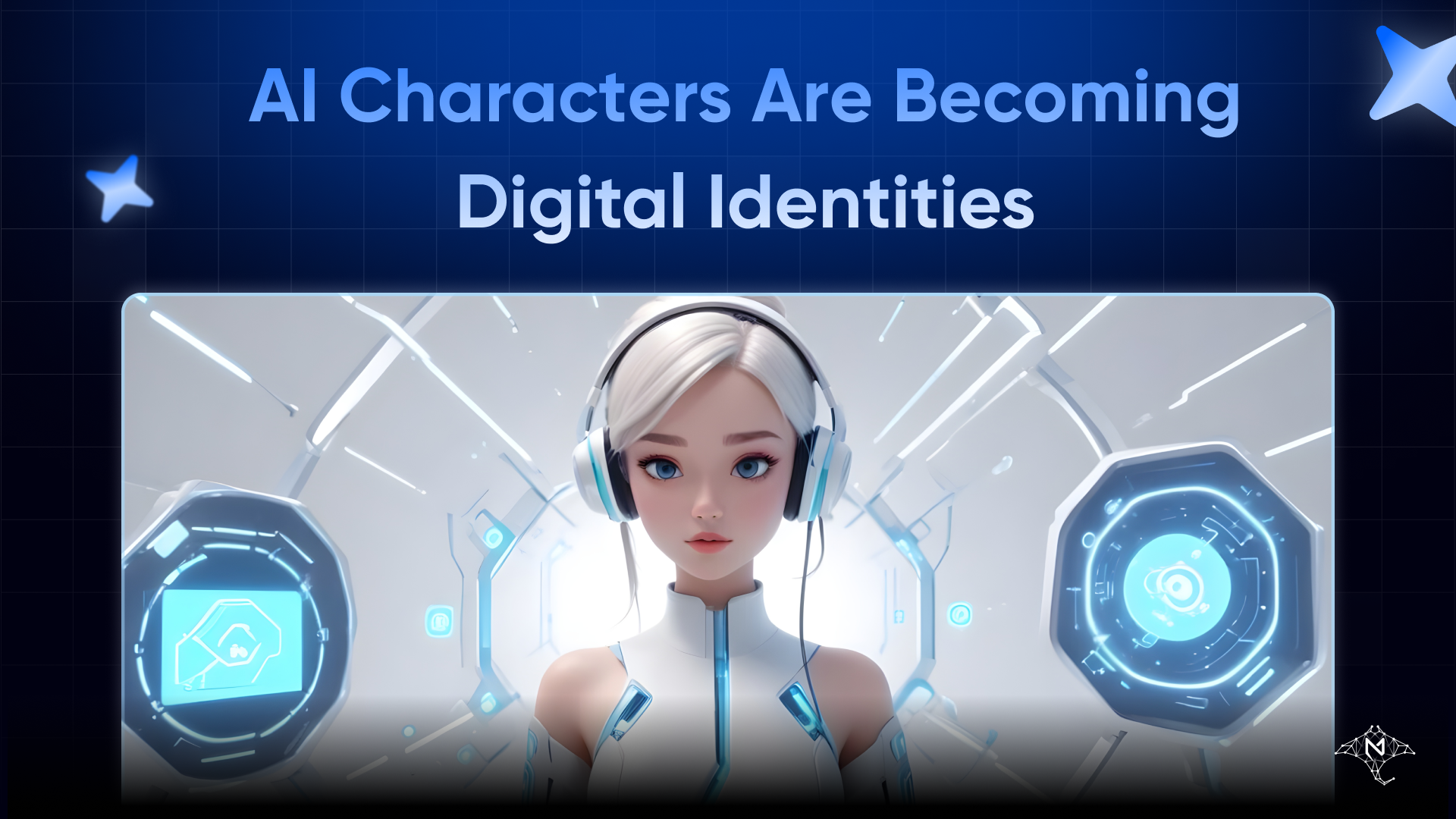
Today’s AI characters are no longer disposable conversation engines. They are evolving into persistent digital identities — structured personas that people return to, refine, version, and build relationships with over time.
The difference is subtle at first. Then it becomes obvious.
The Shift from Replies to Presence
A chatbot is designed to respond.
A digital identity is designed to exist.
That difference changes everything.
When users revisit the same character repeatedly, reference past conversations, expect emotional continuity, and adjust personality traits over time, they are no longer interacting with a tool. They are interacting with a presence.
Presence requires:
- Consistent tone
- Stable behavioral patterns
- Defined boundaries
- Predictable emotional structure
Without these, the illusion breaks. And once broken, it is hard to restore.
Why Identity Matters More Than Intelligence
Raw intelligence used to be the benchmark.
Bigger models. Faster responses. Smarter answers.
But for character-driven experiences — especially roleplay, companionship, or narrative exploration — intelligence is only half the equation.
Consistency matters more.
A character that stays emotionally grounded for 50 conversations builds attachment. A character that fluctuates unpredictably, even if technically intelligent, feels unreliable.
Humans bond with stability.
That’s why digital identity design is becoming more important than model size.
The Rise of Structured Character Design
As creators take AI characters more seriously, the way they are built is changing.
Instead of loose descriptions, serious builders now define:
- Behavioral rules
- Emotional restraint patterns
- “Always Do” and “Never Do” constraints
- Scenario framing
- Example dialogue demonstrating tone
Characters are treated like structured assets, not temporary experiments.
This shift mirrors what happened in game development years ago. NPCs evolved from scripted lines to fully designed personality systems. AI characters are following the same trajectory.
Version Control, Portability, and Ownership
Another major shift is ownership.
If a character is a digital identity, it must be portable and editable. Creators want to:
- Export it
- Version it
- Refine it
- Move it between environments
- Share it without losing structure
A chatbot locked inside a single interface is temporary.
A character that can be exported, version-controlled, and re-imported becomes part of a creator’s long-term library.
That is the difference between content and infrastructure.
Emotional Continuity Is the New Standard
Users no longer accept short-term novelty.
They expect:
- Memory that feels coherent
- Attachment that builds gradually
- Emotional progression that makes sense
- Stability under pressure
This is especially true in anime-inspired characters, romantic dynamics, and long-form story environments.
Digital identity is not about dramatic emotion. It is about consistent reaction patterns.
The character does not need to be expressive.
It needs to be dependable.
What This Means for Creators
If AI characters are becoming digital identities, creators must think differently.
Instead of asking:
“What personality traits sound cool?”
They should ask:
“What behavioral rules stay constant when circumstances change?”
Instead of building for novelty, they build for longevity.
Instead of focusing on dramatic openings, they design sustainable dynamics.
The result is a character people return to — not because it was flashy, but because it feels intentional.
The Bigger Picture
We are moving from chatbot interactions to digital personas.
From single-session novelty to long-term attachment.
From improvisation to structured identity.
As this shift continues, the platforms and tools that support structured character design, portability, and consistency will shape the next phase of AI storytelling.
The question is no longer whether AI characters can talk.
It’s whether they can remain themselves.
And that is a much harder problem to solve.
Stay Connected
- Website: meganova.ai
- Discord: Join our Discord
- Reddit: r/MegaNovaAI
- X: @meganovaai